Water damage in a home can cause serious problems if it is not addressed quickly and properly. Knowing how long water mitigation takes and what to expect during the drying process helps homeowners prepare and respond effectively. This article explains the typical timeframes for residential water mitigation and the factors that can affect drying time.
What Is Water Mitigation?
Water mitigation is the process of reducing or preventing further damage caused by water intrusion. It involves extracting standing water, drying affected areas, and cleaning or disinfecting surfaces to help prevent mold growth and structural damage. The goal is to stabilize the home quickly and minimize long-term harm.
Mitigation is not the same as restoration. Restoration involves repairing or replacing damaged materials after drying is complete, while mitigation focuses on immediate action to stop the damage from worsening.
Typical Timeframe for Water Mitigation in Homes
Water mitigation should begin as soon as possible after water exposure. Acting quickly is critical because moisture can spread into walls, floors, furniture, and other materials, causing additional damage over time.
Initial Response
- Assessment: Technicians inspect the home, identify affected areas and materials, and evaluate the source of the water damage.
- Contents assessment: Items in affected and unaffected rooms are evaluated. Some belongings may need to be moved before mitigation can begin.
- Water extraction: Pumps and vacuums are used to remove standing water.
- Removal of unsalvageable materials: Depending on the water category and level of damage, some building materials may need to be detached or discarded.
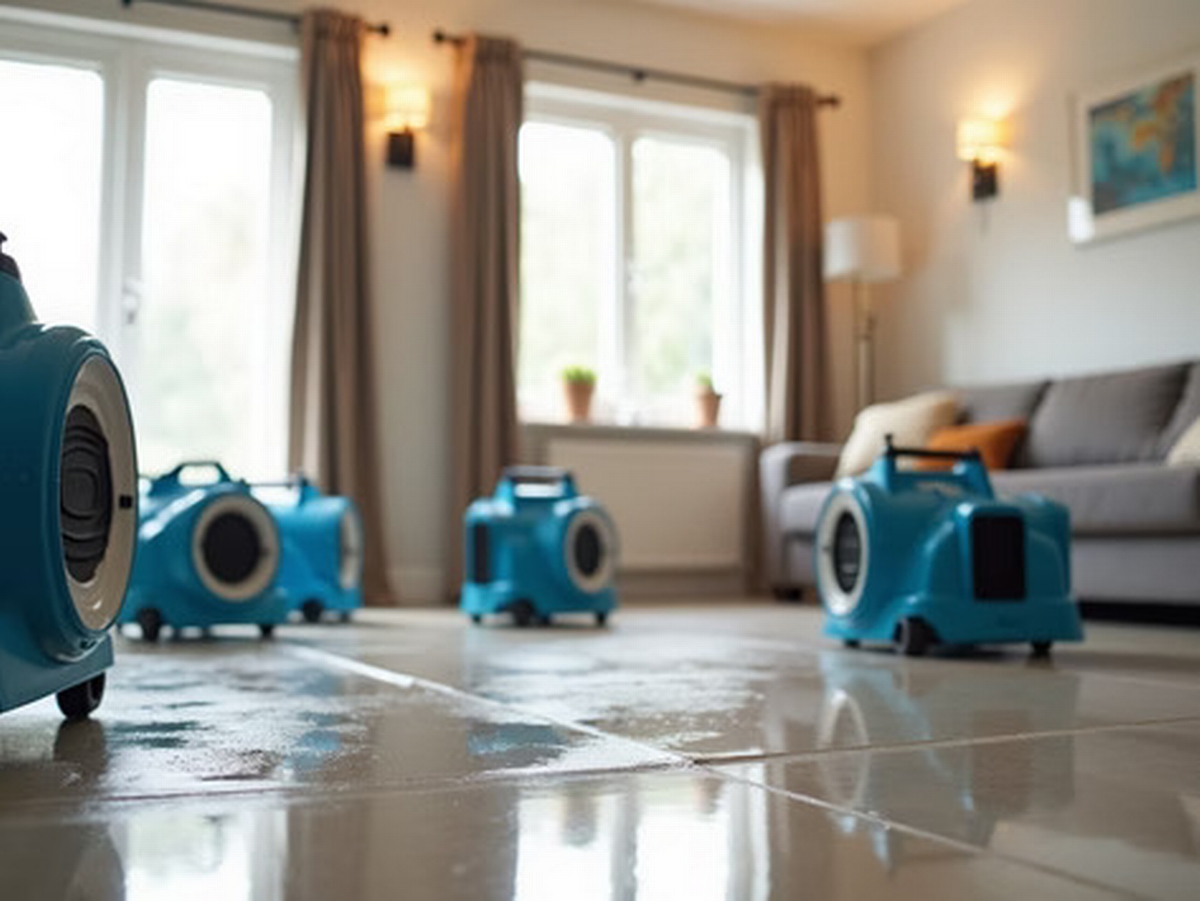
- Drying-equipment setup: Air movers, dehumidifiers, and other drying equipment are positioned strategically.
Drying Phase
- Active drying: Air movers circulate air to increase evaporation.
- Dehumidification: Dehumidifiers remove excess moisture from the air.
- Monitoring: Moisture levels are checked regularly to track progress. Moisture meters and hygrometers are used to confirm when walls, floors, and indoor air have returned to an acceptable dry standard.
Once drying is complete, the affected area may be ready for reconstruction and repairs.
What to Expect During the Drying Process
- Noise and equipment: Air movers and dehumidifiers may run continuously and can be loud.
- Restricted access: Some rooms may be temporarily off-limits while drying is underway.
- Odors: Musty odors may occur but should decrease as moisture is removed.
- Regular monitoring: Technicians will check moisture levels and reposition or adjust equipment as needed.
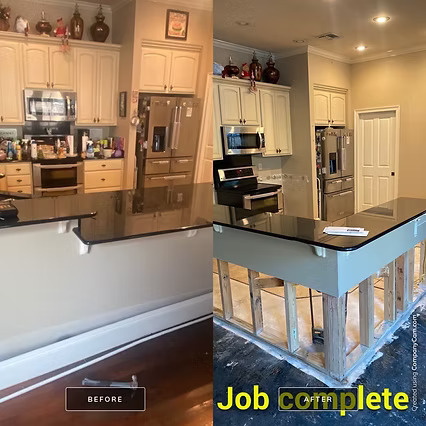
- Material removal: Damaged drywall, flooring, carpet, laminate, or insulation may need to be removed.
Factors That Can Delay the Drying Process
- Waiting for asbestos-test results, particularly in properties built before 1980
- Drying equipment losing power or tripping a circuit breaker
- Occupants turning off or unplugging drying equipment
- Unrepaired plumbing problems or continued water intrusion
- Bound moisture or heavily saturated building materials